#1
Best
2
2index.ninja
Web service
A $1 entry purchase; bulk plans and documented API. Standard submission does not guarantee indexing.
Editorial score
9.5
/ 10
Model
pay-per-submit
Price
From $1
Compare six indexing services for pages you own and external backlinks. Check minimum payment, billing mode and available evidence before choosing a small batch or bulk/API workflow. Scores are editorial judgments, not measured indexing rates.
A $1 entry purchase; bulk plans and documented API. Standard submission does not guarantee indexing.
One service available on the web and in Telegram. Google result mode returns credits for qualifying misses at day 7.
Indexing packs inside a wider SEO platform. Published entry is $48 for 400 URLs; expiry and refund details need confirmation.
Prices describe different purchases and operations. 2index standard pays for submission; SpeedyIndex Google result mode, IndexMeNow and Rapid Standard return credits for qualifying misses under their terms. Rapid Apex has only a partial credit return. Addtoindex renews monthly; NeedMyLink sells indexing packs. Check the minimum payment, selected mode, exclusions and remaining balance. Credits returned are not automatically cash refunded, and no billing model guarantees indexing.
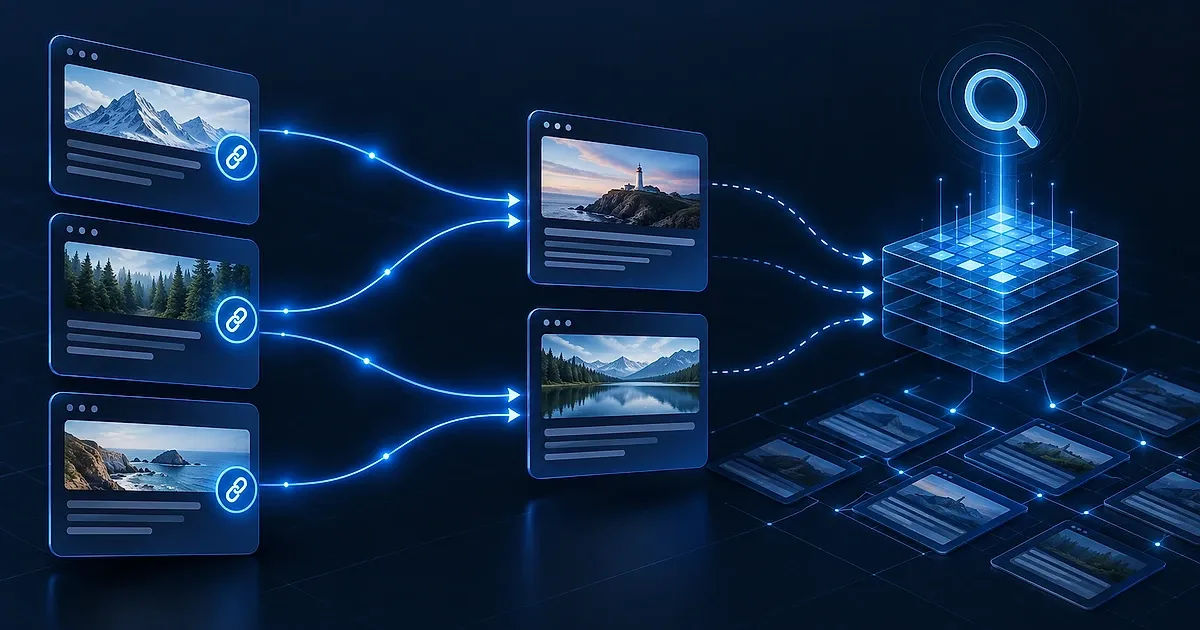
To work on a backlink, start with the page containing the link. That donor URL is different from your destination URL. A service can submit a donor …

For a new or updated page you own, take three steps: make the final URL accessible, link to it from relevant pages, and use Google Search Console to …

SpeedyIndex suits SEO teams with a ready batch of Google URLs who prefer result-based billing, and teams that want to work from either a web dashboard …
2index.ninja is worth considering when you want a low-cost first submission batch and a path to larger, automated projects. Its advertised $1 Smart …
Public offers checked September 24, 2026. The figures below are minimum purchases for the stated plans. Quick verdict For a small batch of ready URLs, …
For ten backlinks, the smallest purchase matters more than a bulk price per thousand. The advertised 2index Smart option starts at $1 for 100 standard …
NeedMyLink sells a Google indexing service through its wider SEO platform. Its public page lists packs of 400, 1,000 and 2,000 indexings, and says a …
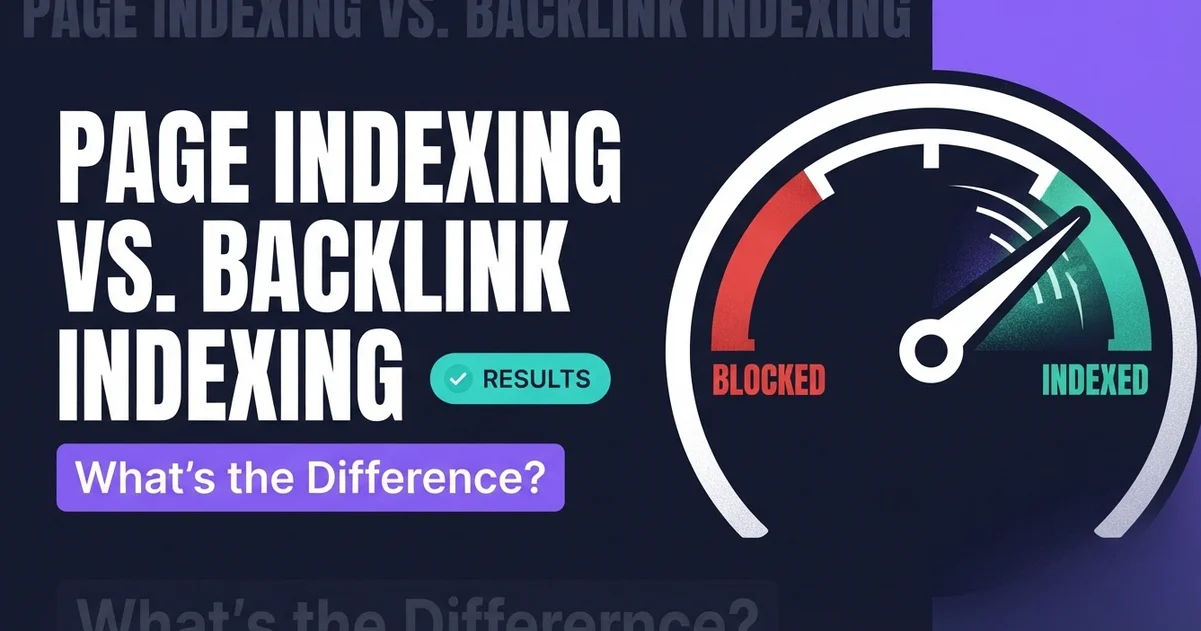
A page can be indexed without its backlink helping your rankings. First identify the page you want Google to find. A backlink has two URLs: the page …
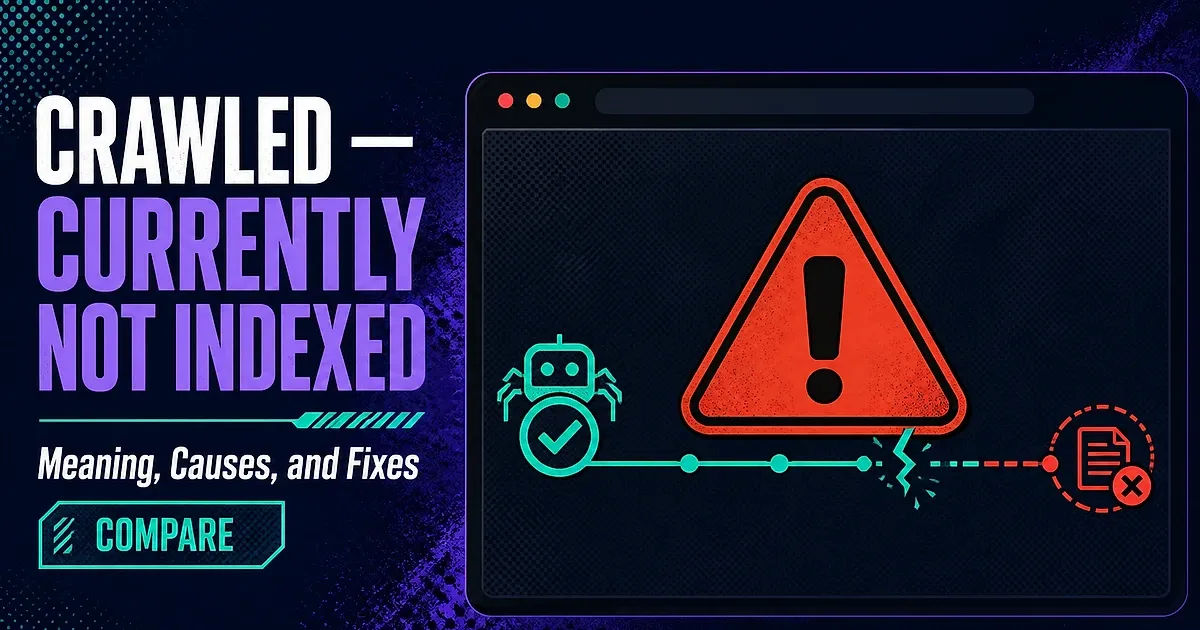
“Crawled – currently not indexed” means Google fetched the page but has not included it in its index. The status does not tell you one specific cause, …
The editorial framework uses five weighted criteria. A score is a decision aid, not a measured indexing percentage. Read the linked review for its sources, dates and limits; public pricing research and an actual batch test are different kinds of evidence.
The September 2026 editorial update verifies public offers and rewrites the supporting articles. It does not represent a fresh controlled comparison of all providers or new measured success rates. The existing editorial order is retained; inspect the evidence and your purchase scenario before choosing.
Check your URL first, then compare billing and workflow. A blocked page needs a technical fix before a paid submission.
A missing or blocked page cannot be repaired by a submission service. Check the live URL, robots and noindex rules, canonical and internal links. If you own the page, inspect it in Search Console after the fix.
Low cash entry and bulk capacity. Match plan volume, validity and the effective Google mode limit before scaling.
The editorial framework weighs quality of available evidence (35%), purchase cost and billing (25%), community track record (20%), transparency and refunds (12%), and platform and UX (8%). Scores are editorial judgments, not measured indexing rates. The detailed reviews separate public terms from observed outcomes.
For ten external backlink URLs, 2index.ninja Smart Ninja has the lowest listed cash entry among these six: $1 buys capacity for 100 standard submissions, so ten use ten slots and 90 remain within the plan validity period. That is a $1 purchase, not a $0.10 checkout. Index checks and instant mode use different capacity. Low entry cost does not prove a better indexing result. Compare small backlink batches
A result-based mode may return account credits for qualifying unindexed URLs; credits are not a cash refund. SpeedyIndex's Google result mode starts with a $5 purchase. Its FAQ says tokens for eligible misses return at day 7; blocked, inaccessible, noindex and other invalid URLs are excluded. Separately, its FAQ allows a cash-refund request within 14 days for a mistaken purchase with no tokens used. Check the selected mode and current checkout terms.
Indexing services are marketed for external backlink URLs, but each provider decides which URLs it accepts. Google Search Console URL Inspection requires access to a verified property, so it is for sites you control. First check that the external page resolves, can be crawled and still contains your link. Submission cannot override the source site's noindex or crawl restrictions. Compare services with URL Inspection
Start with free checks on your own site: inspect the URL in Search Console, confirm it loads, is indexable, uses the intended canonical, appears in a sitemap and has internal links. Fix a noindex, crawl block or weak page before paying for submissions. A service cannot repair those problems or guarantee inclusion. Diagnose a page missing from Google's index
No. Indexing means a search engine has included a URL in its index. Ranking is where that URL appears for a particular query. A submission may help discovery but cannot guarantee inclusion or a higher position. Measure index status and search performance separately. See what an indexing test measures
Public prices and terms were reviewed in September 2026. A change in an offer calls for a factual update; a performance re-score requires appropriate evidence. Always check the current selected package and mode before purchasing.
Use the comparison to shortlist a service, then read the detailed costs, documented workflow and evidence limits before you commit.